
 Slovenščina
 English
 Deutsch
 Bosanski
 Dutch
Dutch Hrvatski
 Čeština
 Dansk
Dansk Dutch
Dutch Suomi
Suomi Français
 Deutsch
 Magyar
 Italiano
 Polski
 српски
 Slovenčina
 Español
 Svenska
 Deutsch


Travel brochures of Slovenian Julian Alps, Triglav National Park, Slovenia
Above the Vršič Pass in Winter
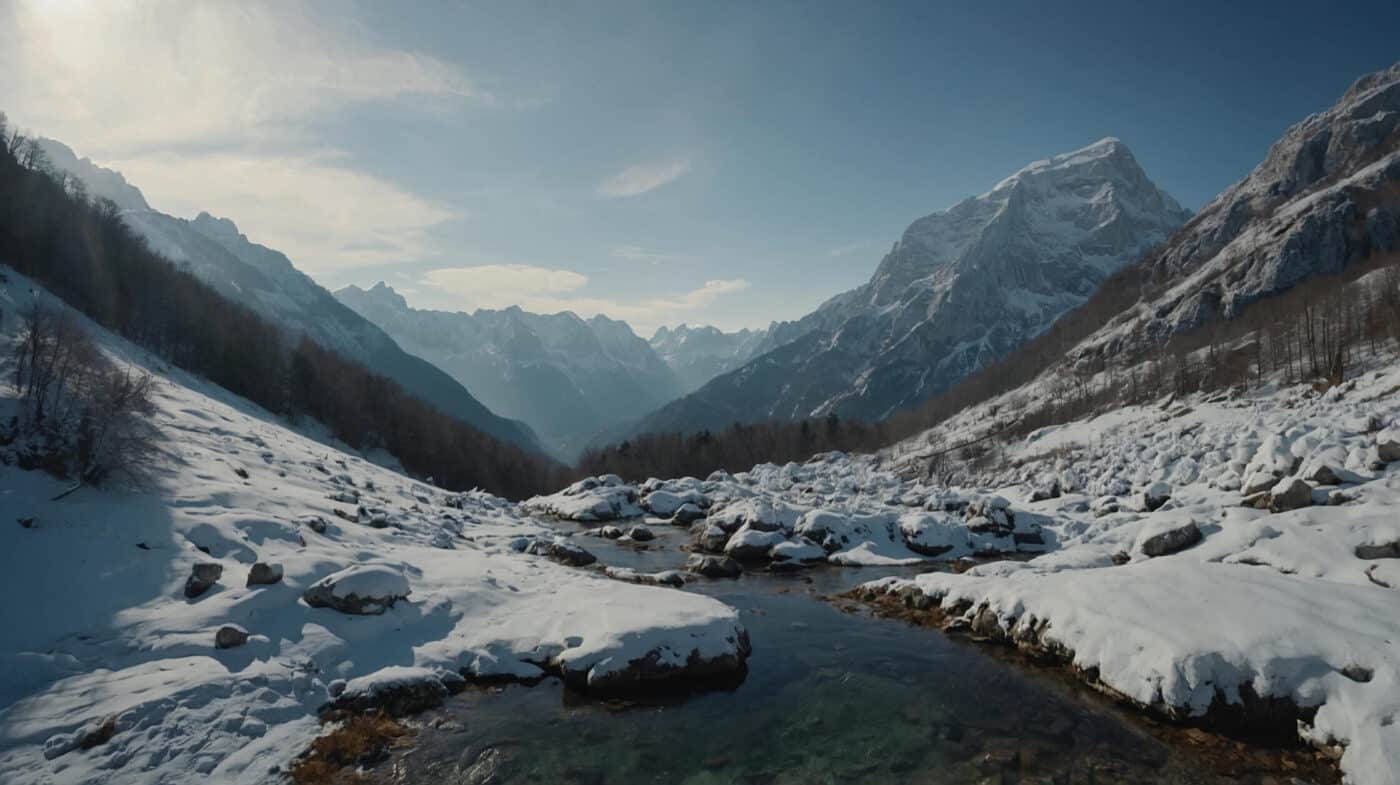
Above the Vršič Pass in Winter; Comfortably to Snow-Covered Peaks. The article in Planinski vestnik, February 2018


Triglav National Park is the only national park in Slovenia. It was established in its modern form in 1981 and is located in the northwestern part of the country, respectively, the southeastern part of the Alpine massif. Mount Triglav, the highest peak of the Julian Alps, stands almost in the middle of the national park. From there, the valleys spread out radially, supplying water to two large river systems with their sources in the Julian Alps: the Soča and the Sava, flowing to the Adriatic and Black Sea, respectively.
2024 will mark a significant milestone for National Park, the Julian Alps region, and nature conservation in Slovenia. Throughout the year, we will hold events to commemorate the 100th anniversary of signing the lease agreement to establish the Alpine Conservation Park, the predecessor of Triglav National Park.
The early initiatives aimed at protecting natural landmarks, launched in the second half of the 19th century, were a spontaneous response to the increasing environmental threats posed by human activities after the Industrial Revolution. The first efforts to protect part of the Julian Alps, dating back to 1906, stemmed from the ideas of seismologist and naturalist Albin Belar.
On 4 April 2024, on the initiative of the Nature Conservation and Natural Monuments Protection Department operating within the Museum Society of Slovenia, the Ministry of Forests and Mines in the Belgrade-based government of the Kingdom of Serbs, Croats and Slovenes approved the designation and protection of an area of approximately 1,400 hectares in the Triglav Lakes Valley. At the time, the estates of the Carniolan Religious Fund were under state administration, and this made it possible for the area’s managing authority, i.e. the Forest Directorate in Ljubljana and the two park initiators, namely the Museum Society of Slovenia and the Slovenian Mountaineering Society, to conclude a lease agreement.
The Alpine Conservation Park was established on 1 July 1924 following the signing of the agreement. This milestone marks the first legal protection regime to preserve nature based in Slovenia.
The lease term was 20 years, until 1 July 1944. The annual lease fee was set, park boundaries were marked, and a list of cadastral parcels making up the park was compiled. The designation was temporary since the laws at the time did not allow grazing areas to be permanently removed from commercial use.
The Alpine Conservation Park covered 1,400 hectares, while today’s Triglav National Park spans almost 84,000 hectares or four per cent of Slovenian territory.

Daily trips around Vršič, Slovenia Mountain hikes around Kranjska Gora, Slovenia Mountain hut at Vršič pass, Slovenia Mountain pass Vršič, Slovenia Travel brochures of Slovenian Julian Alps Triglav National Park, Slovenia
Your stay in a Mountain hut at Vrsic in Kranjska Gora Slovenia.
Continue reading
Mountain hut at Vršič pass, Slovenia Mountain hut at Vršič pass, Slovenia Mountain pass Vršič, Slovenia Mountain pass Vršič, Slovenia
This sign should provided real-time updates on the status of the mountain pass. But not...
Continue reading
Mountain hut at Vršič pass, Slovenia Mountain pass Vršič, Slovenia
Rooms and accommodations in the Alpine mountain hut. If you reserve your stay in one...
Continue reading
Mountain hut at Vršič pass, Slovenia
Live and travel like a local: Take a day longer to spend two or three...
Continue reading
Mountain hut at Vršič pass, Slovenia
Erjavčeva mountain hut (Erjavčeva koča) is a well-known but Affordable accommodation option in Kranjska Gora.
Continue reading
Daily trips around Vršič, Slovenia Mountain hut at Vršič pass, Slovenia Mountain pass Vršič, Slovenia Triglav National Park, Slovenia
Vršič mountain pass, nestled amidst the mighty Julian Alps in Slovenia, unveils natural beauty and...
Continue reading
Mountain hut at Vršič pass, Slovenia Mountain hut at Vršič pass, Slovenia
Frequently asked question about mountain huts, why we are not a hotel or a hostel....
Continue reading
Mountain hut at Vršič pass, Slovenia
Renting Mountain Hut for Special Occasions: The Perfect Setting for Unforgettable Celebrations. Why Choose Erjavčeva...
Continue reading
Weather and traffic on Vršič pass
Get a piece of weather information firsthand about the weather at Vršič pass. All reliable...
Continue reading Above the Vršič Pass in Winter; Comfortably to Snow-Covered Peaks. The article in Planinski vestnik, February 2018
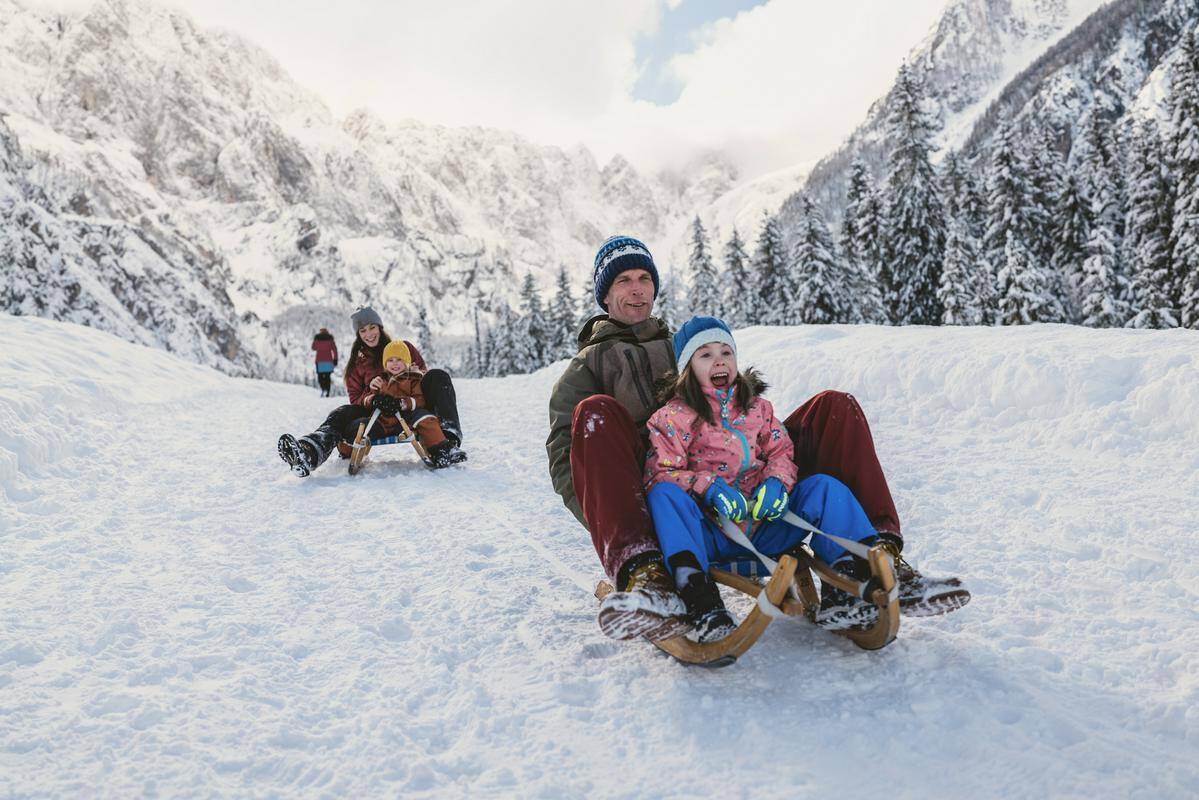
Spend Your Winter Holidays in Kranjska Gora at Vršič pass in Slovenia. Enjoy the nature and winter sports in the national park.
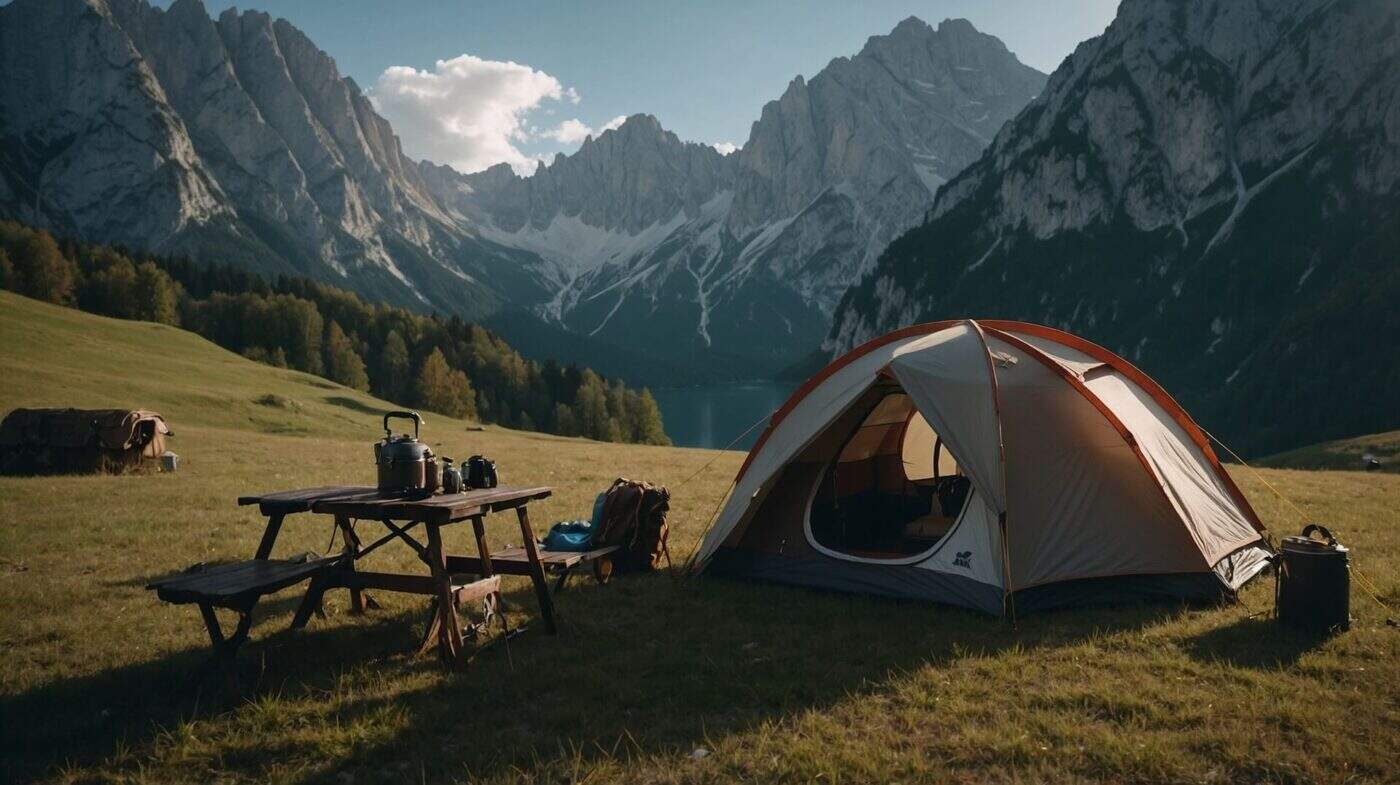
Camping in Triglav National Park is forbidden, as well as sleeping in the car or any other vehicle. Please respect the local habits.
Mountaineering in a New Era (1946) the article in Planinski vestnik from January 1946. There is a short mention of Erjavčeva koča at Vršič.
Triglav National Park Newspaper Winter 2025 2026
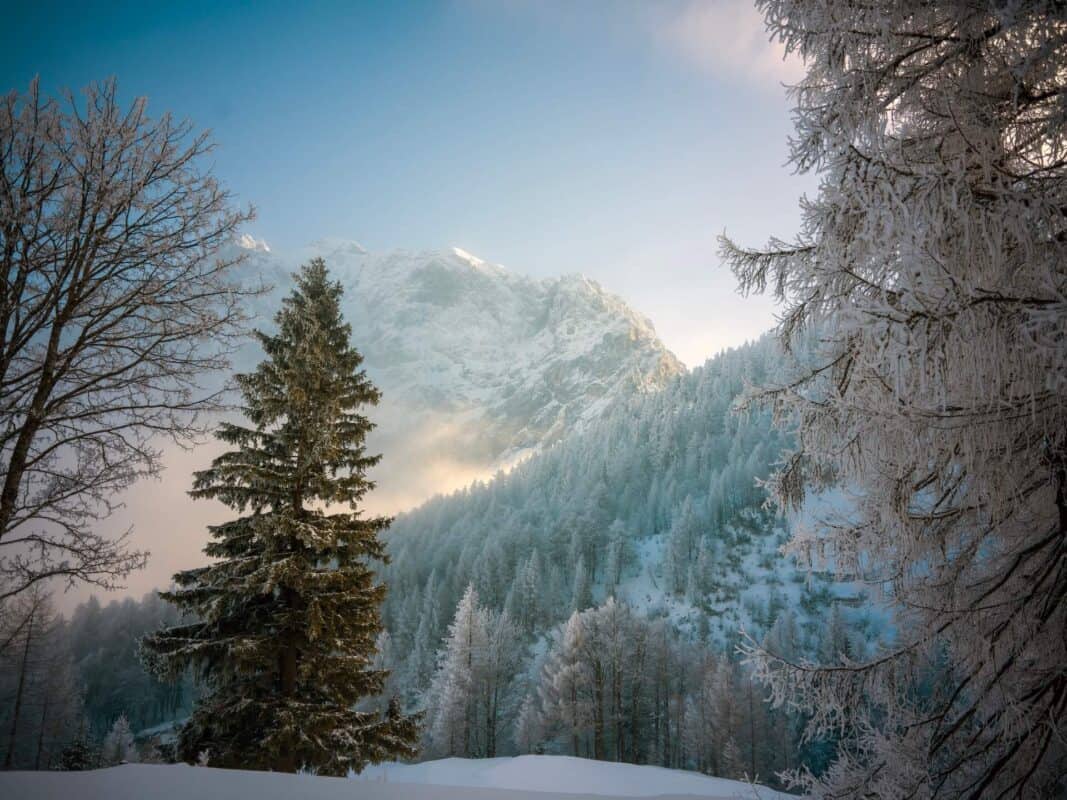
One of the strongest reasons to visit Vršič Pass in winter is the deep sense of peace and tranquility.
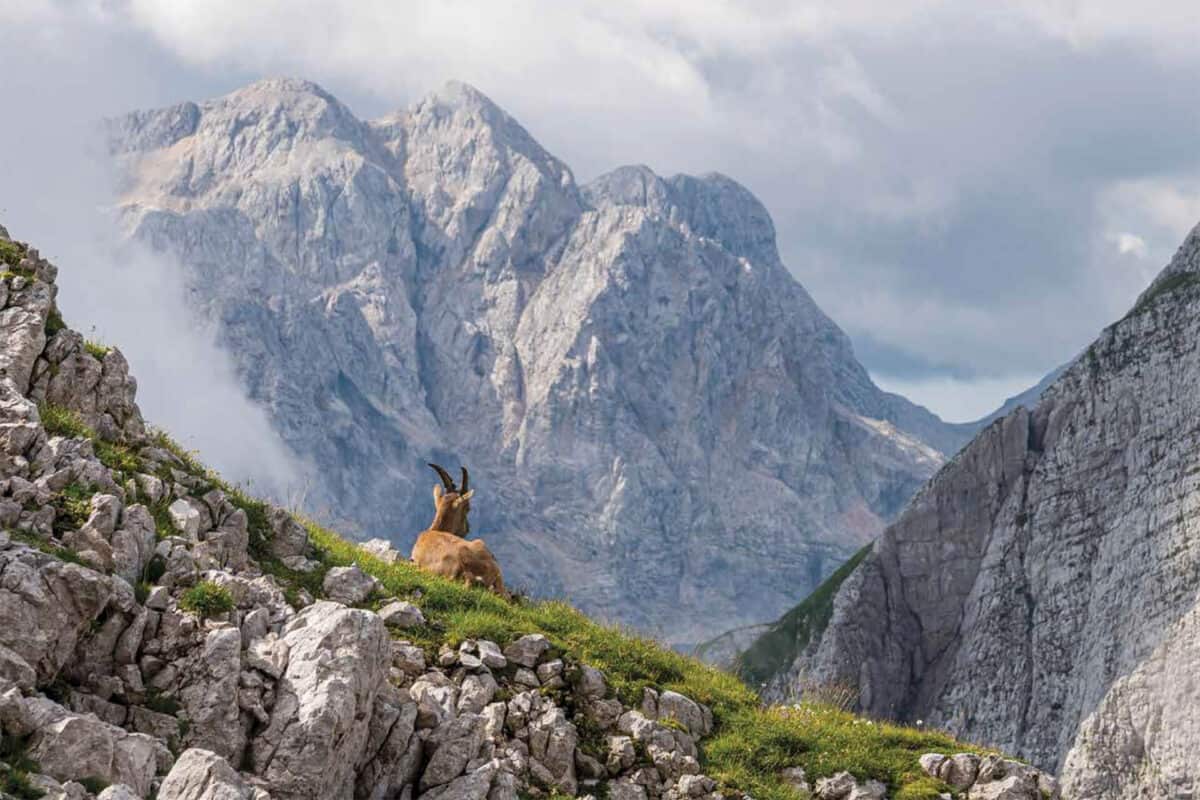
Calendar by Andrej Pavlin. A photographer from Gorenjska, Slovenia.
The Pagan Girl was a kind-hearted giantess who lived on the slopes of Mount Prisank.
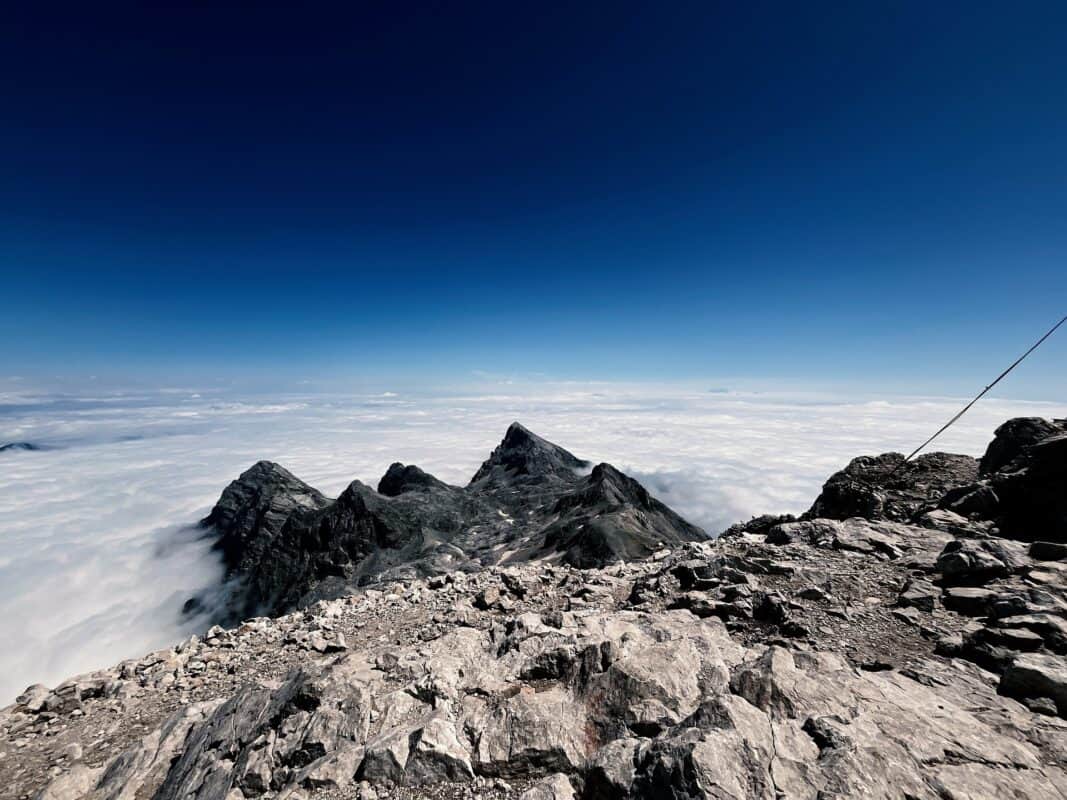
Mass tourism is increasingly affecting Slovenia’s highest mountain pass – Vršič.
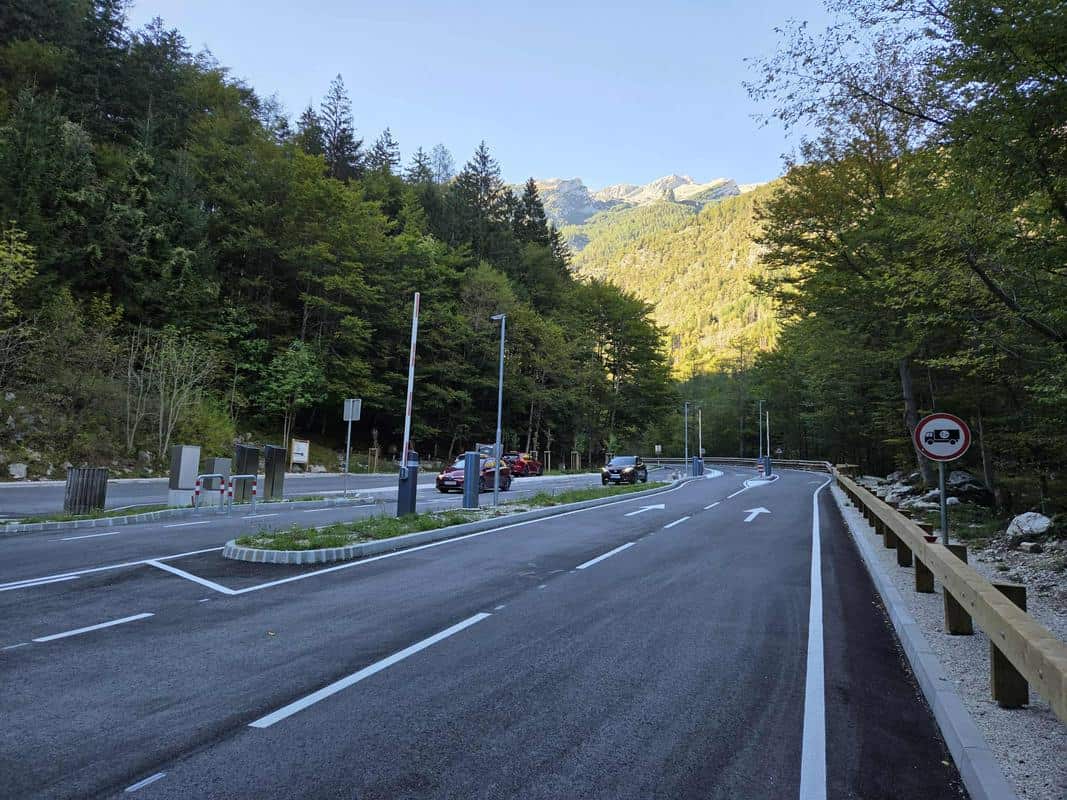
Barrier System to Be Tested for Two Weeks on the Vršič Pass Starting October 13


